


Surgery Cost
Starts from AED 5000
Procedure Time
4-8 Hours
Recovery
Initial recovery in 1-2 weeks; new hair growth in 3-4 months
Results
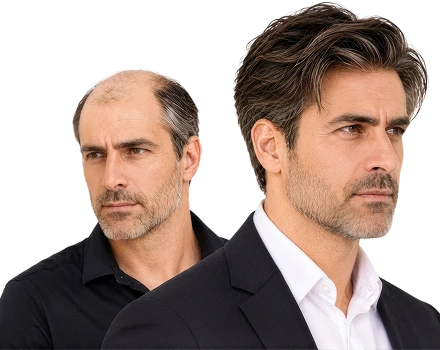
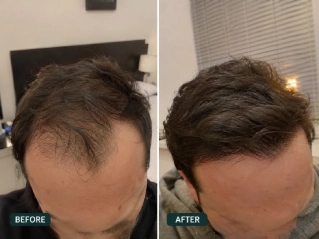
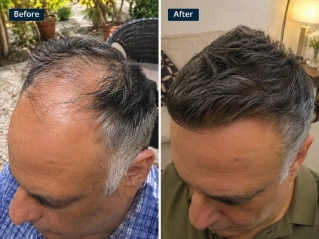
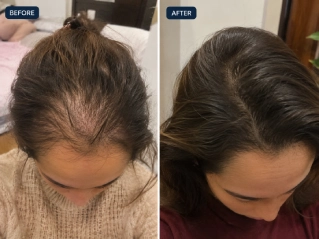
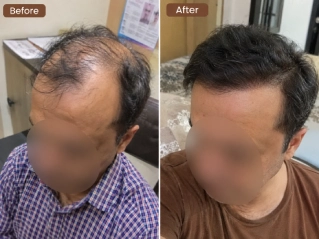
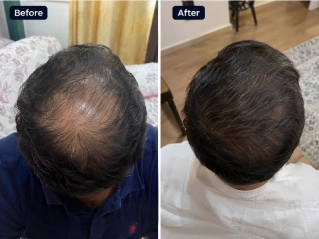
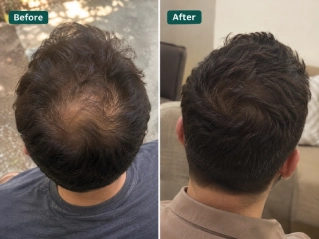
Visible improvement in hair density over 6-12 months
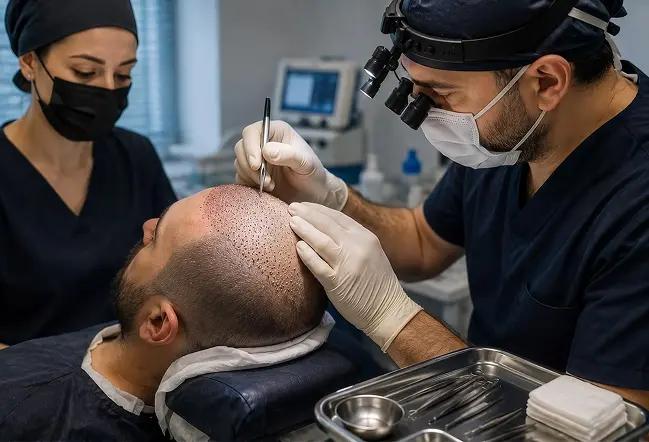
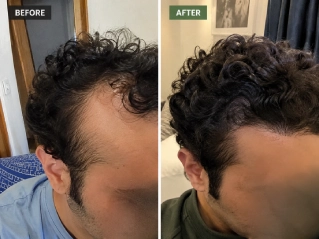
FUE Hair Transplant in Dubai involves extracting individual hair follicles from the donor area and implanting them into thinning or balding areas (frontal hairline, crown). FUE hair transplant leaves tiny dot-like scarring, which usually resolves within a few weeks.
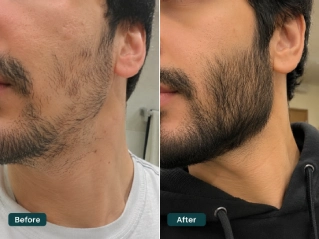
Beard Hair Transplant in Dubai involves transferring healthy hair follicles from the scalp to patchy beard areas (sideburns, chin, and cheeks). Beard transplant in Dubai improves facial hair density and creates a more defined and fuller beard.
DHI Hair Transplant in Dubai, also known as “Direct Hair Implantation,” is an implantation technique used to place extracted hair grafts into the recipient area. DHI allows precise control over the placement, direction, and angle of the transplanted hair.
FUT Hair Transplant in Dubai, also known as “Follicular Unit Transplantation”, involves removing a strip of scalp to collect hair follicles for transplantation. FUT leaves a linear scar and requires stitches, which require proper wound care during the recovery period.
Robotic DHI Hair Transplant in Dubai uses specialised robotic technology to assist with follicle extraction or implantation, depending on the system. Robotic DHI results (hair density, graft survival rate) depend on the technology used, the surgeon’s expertise, and proper graft handling.
Sapphire FUE combines individual follicle extraction with sapphire blades to create recipient sites like the mid-scalp, crown, and temples for implantation. Sapphire FUE allows precise creation of the recipient area, but the treatment outcome depends on the surgeon’s skill and appropriate graft placement.
| Hair Transplant Technique | Safety and Key Considerations |
|---|---|
| DHI (Direct Hair Implantation) | Uses a specialised implanter pen to place hair follicles into thinning areas. It allows precise placement, but safety depends on the surgeon’s skill and proper graft handling. |
| FUE (Follicular Unit Extraction) | Removes individual hair follicles, leaving tiny dot scars instead of a long scar. Recovery is generally quicker, but excessive extraction can damage the donor area. |
| FUT (Follicular Unit Transplantation) | Removes a strip of scalp to collect hair follicles. It can provide many grafts but requires stitches and leaves a permanent linear scar. |
| TIMELINE | PRE-OPERATIVE CARE |
|---|---|
| 4 Weeks Before | Stop smoking if possible and discuss alcohol use with your surgeon to support healing. |
| 2 Weeks Before | Inform your surgeon about any medication you take. Stop blood-thinning medicines like Eliquis and Pradaxa only if your prescribing doctor advises it. |
| 7 Days Before | Avoid hair colouring, bleaching, and any harsh chemical scalp treatment. Follow your clinic’s medication guideline. |
| 2-3 Days Before | Avoid alcohol if instructed, and arrange transportation for the hair transplant procedure if needed. |
| 1 Day Before | Wash your hair with a gentle shampoo and avoid hair styling products such as gel or spray. |
| On Hair Transplant Day | Wear a loose, button-up shirt, eat as instructed by your surgeon, and arrive with a clean scalp. |
| Recovery Timeline | What To Expect |
|---|---|
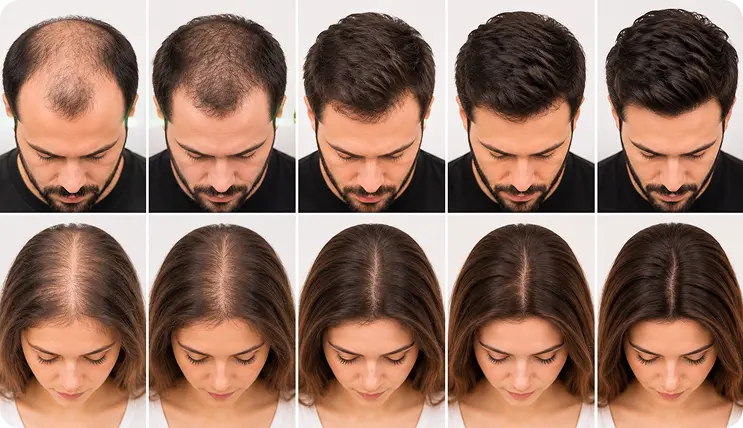
| Days 1-3 | Mild swelling, redness, tenderness, and scabbing around the transplanted hair grafts. |
| Days 4-14 | Scabs gradually fall off, swelling subsides, and the scalp begins to heal. |
| Weeks 2-8 | Transplanted hairs shed temporarily while the follicles remain in the scalp. |
| Months 3-4 | Fine new hairs start to appear while hair growth varies by patient and treatment area. |
| Months 6-9 | New hair becomes thicker and more visible, improving hair density. |
| Months 9-12 | Hair continues to mature, with more noticeable coverage and a natural-looking hairline. |
Yes, a hair transplant is permanent because the transplanted hair follicles are taken from donor areas (back or sides of the head) that are resistant to genetic hair loss. The transplanted hair can still thin over time, and non-transplanted hair can continue to fall out. The longevity of the hair transplant results depends on factors such as donor hair quality and the cause of hair loss.
However, existing, non-transplanted hair can face thinning due to genetic factors like ageing or male pattern baldness. To maintain the result of the hair transplant, you will need ongoing hair loss treatment and appropriate scalp care, depending on your surgeon’s advice.
| Hair Transplant Treatments | Cost Range |
|---|---|
| FUE Hair Transplant | AED 5000 - AED 8000 |
| Beard Hair Transplant | AED 7500 + VAT |
| DHI Hair Transplant | AED 6000 - AED 9000 |
| FUT Hair Transplant | AED 5000 - AED 7500 |
| Robotic DHI Hair Transplant | AED 8000 - AED 10,500 |
| Sapphire FUE Hair Transplant | AED 6500 - AED 10,000 |
(For the frontal hairline)
(2-day surgery for full coverage)
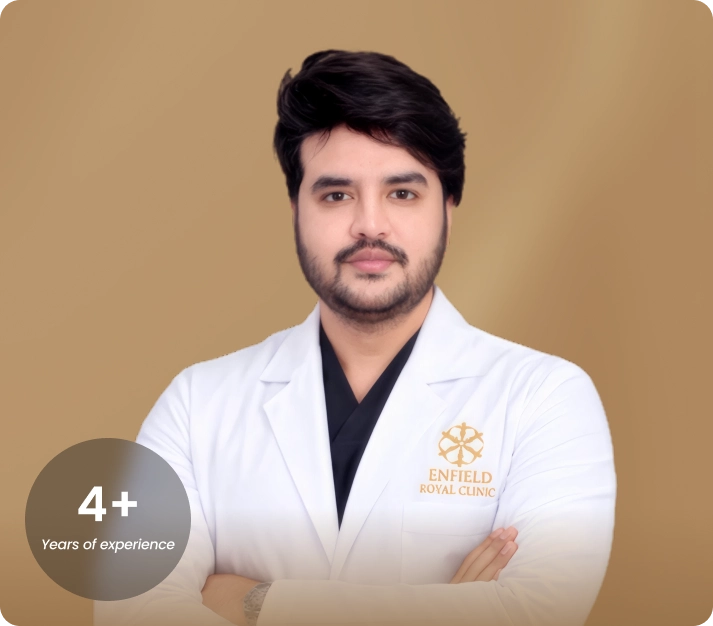
Dr. Hamza Saleem is a DHA-certified hair transplant specialist at Enfield Royal Clinic Dubai, with over 4 years of experience in cosmetic dermatology. He focuses on understanding each patient’s hair loss pattern, assessing available donor hair, and checking their scalp health to select the right hair transplant technique for them. Dr. Hamza’s goal is to help patients achieve a natural-looking hairline and fuller hair.

2007
Trusted expertise since
3,500+
Number of Plastic Surgeries:
20,000
Annual Injectable Treatments:
DHA-licensed surgeons who assess hair loss patterns and plan the most suitable treatment.
Restore hair density with a natural-looking hairline to enhance your appearance.
Each treatment plan is tailored to match your hair loss pattern and donor hair density.
Modern methods (FUE, DHI) support precise follicle extraction to restore the hairline.
Our surgeons follow a strict DHA-provided care protocol to ensure patient safety.
Our quality assurance team works on improving the quality of each hair transplant procedure.
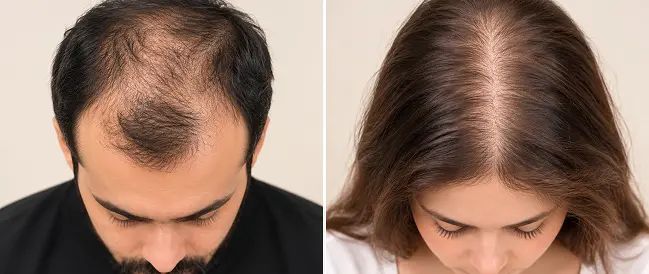
Male and female hair loss patterns differ in how thinning and baldness develop. Male pattern hair loss starts with a receding hairline at the temples and can progress to thinning at the crown. Female pattern hair loss leads to gradual thinning across the top of the scalp.
The part of the body hair that is mostly used for hair transplant is the back and sides of the scalp. If scalp donor hair is insufficient, hair from other body areas, such as the beard or chest, can also be used for a hair transplant.
There is no single technique that is better for hair transplant, but FUE is often preferred for hair transplant because it extracts individual hair follicles without leaving a linear scar. The best technique for hair transplant depends on your hair loss, treatment goal, and donor hair availability.
Yes, Enfield Royal Clinic Dubai is considered the best hair transplant clinic in Dubai, as our DHA-licensed surgeon, Dr. Hamza Saleem, has 4+ years of experience in providing exceptional hair restoration care to thousands of patients. Our clinic offers hair transplant services (FUT, DHI) with a focus on personalized treatment planning and patient care.


 Trustindex verifies that the original source of the review is Google.
 Trustindex verifies that the original source of the review is Google.
 Trustindex verifies that the original source of the review is Google.
 Trustindex verifies that the original source of the review is Google.
 Trustindex verifies that the original source of the review is Google.
 Trustindex verifies that the original source of the review is Google.
 Trustindex verifies that the original source of the review is Google.
 Trustindex verifies that the original source of the review is Google.
 Trustindex verifies that the original source of the review is Google.
 Trustindex verifies that the original source of the review is Google.
insurance companies


Contact Us
Home | About Us | Doctors | Blog | Contact Us | HTML Sitemap |
Enfield Royal Clinic Dubai. All Rights Reserved. Approved By Ministry Of Health. License No: 3373832 – Privacy Policy – Disclaimer – Patient Policy
Book Your Appointment
